How to Read Dog Food Labels: Decode Ingredients, AAFCO Standards & Spot Red Flags
Imagine your furry best friend, tail wagging like a metronome of joy, diving into their bowl with unbridled enthusiasm. That sparkle in their eyes? It's not just hunger—it's trust. Trust that you're fueling their boundless energy, glossy coat, and playful spirit with the best possible nutrition. But in the labyrinth of dog food labels, that trust can waver. Shelves groan under bags promising "natural bliss" or "premium power," yet the fine print whispers secrets only the savvy can decipher. As devoted dog parents in the Golden Paw Retreat community, we owe it to our canine companions to master dog food labels. Let's embark on this empowering journey together, turning confusion into confidence and guesswork into guardianship.
The Anatomy of a Dog Food Label: Where to Start
Every dog food bag is a storybook, its label the cover and spine. Principal display panels shout guarantees like crude protein percentages, while the information panel dives deeper into ingredients and feeding guides. But here's the poetic truth: labels aren't just lists; they're promises etched in ink. Start with the guaranteed analysis—a snapshot of minimum protein, fat, fiber, and moisture levels. These numbers aren't fluff; they benchmark nutritional heft. Then, eyes to the ingredient statement, the heart of pet nutrition. Ingredients parade in descending order of weight, pre-cooking. A bag kicking off with "chicken" sings fresh meat; "chicken meal" hints at concentrated protein from rendered sources. No order? No clarity. Your pup's vitality hinges on this hierarchy.
How to Read Dog Food Ingredients: From Heroes to Fillers
Prioritize Whole, Named Proteins at the Top
Picture your dog's ancestral wild heart: hunter, not scavenger. Champion labels where the first few ingredients are recognizable meats—beef, salmon, turkey—listed as "chicken" not "poultry by-product." The latter? A murky mix of organs, feet, and beaks, nutrient-poor shadows of real sustenance. Meat meals? They're denser protein powerhouses if specified (like "chicken meal"), but vague "animal meal" waves red flags. Aim for 25-30% protein from quality sources, mirroring a wolf's feast.
Carbs, Veggies, and the Supporting Cast
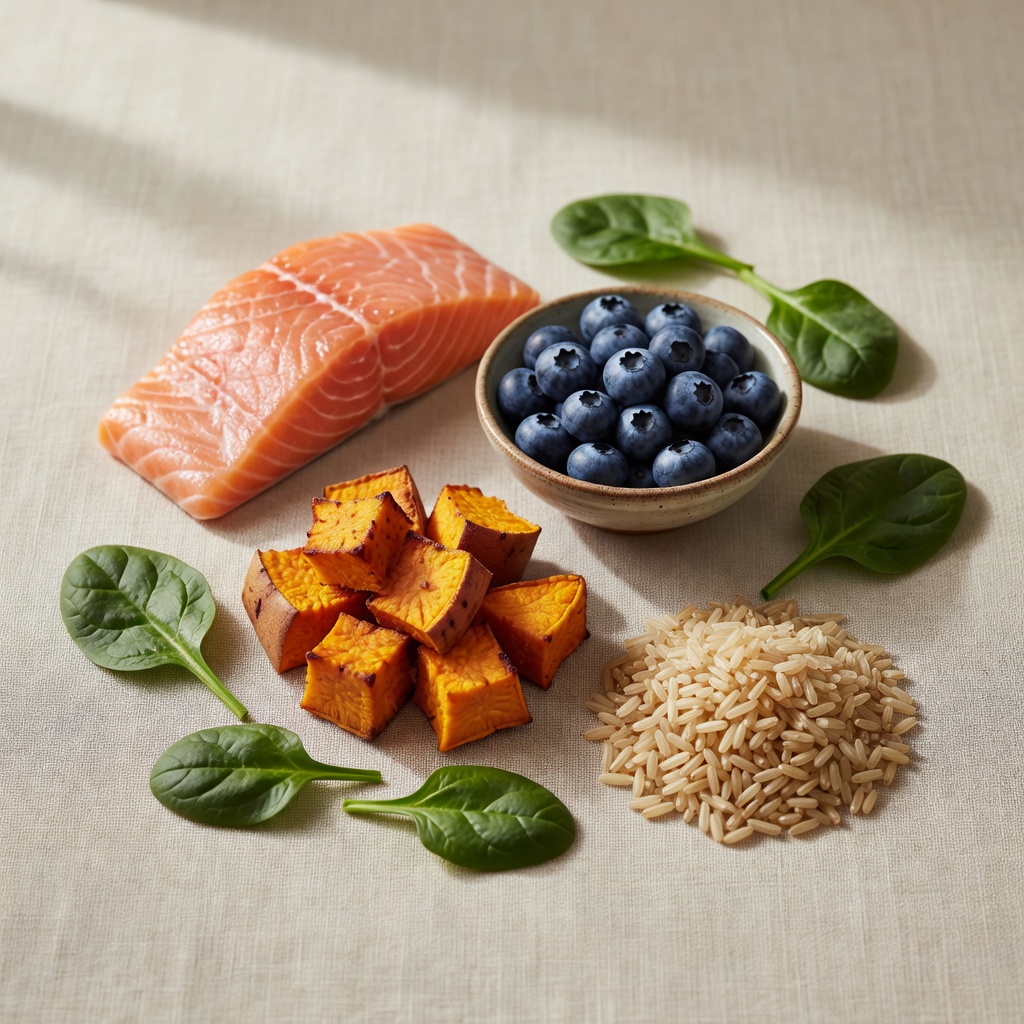
Grains aren't villains—brown rice or oats offer steady energy—but endless corn, wheat, or soy? They spike blood sugar like a sugar rush at a puppy party. Seek ancient grains, sweet potatoes, or peas for gentle fuel. Fruits and veggies like blueberries or spinach add antioxidants, nature's confetti for immunity. Watch for split ingredients: "peas, pea flour, pea protein"—a sneaky way to inflate veggie weight without true benefit.
- Green lights: Named meats first, whole veggies/fruits, omega-rich fish oils.
- Pro tip: Calculate dry matter basis for fair comparisons—subtract moisture to reveal true nutrient punch.
AAFCO Standards: The Gold Standard for Complete and Balanced Nutrition
Enter AAFCO—the Association of American Feed Control Officials—your label's North Star. Look for the magic words: "formulated to meet the nutritional levels established by the AAFCO Dog Food Nutrient Profiles for all life stages." This isn't marketing mist; it's rigorous science ensuring every essential amino acid, vitamin, and mineral dances in harmony. "Complete and balanced" means your pup gets a full symphony, not a solo. Feeding trials trump formulations—labels boasting "animal feeding tests" using AAFCO procedures? Elite status. Without this seal, even gourmet bags risk nutritional gaps, leaving your dog chasing shadows of health.
In the grand orchestra of pet nutrition, AAFCO conducts the essentials, so your dog's life song plays vibrant and true.
Pet Food Red Flags: What to Sidestep for Your Dog's Sake
Artificial Additives and Mystery Meats
BHA, BHT, ethoxyquin—chemical preservatives evoking lab coats, not meadows. Opt for natural tocopherols (vitamin E). "4D meats" (dead, dying, diseased, disabled) lurk in by-products; avoid. Excessive fillers like beet pulp or cellulose bulk without nourishing. Sugar? In dog food? A no-go for steady energy.
Vague Claims and Marketing Mirage
- "Natural" without definition—empty echo.
- "Human-grade"—unregulated fluff unless USDA certified.
- High-carb counts (>50% dry matter)—wolves don't brunch on potatoes.
- Missing calorie statement or breed-specific without evidence.
Recall history whispers caution: past scandals spotlighted melamine horrors. Cross-check with FDA recalls, but proactive label literacy is your shield.
Crafting a Healthy Dog Food Choice: Your Empowerment Playbook
Prioritize: Named proteins >50% dry matter calories from meat, moderate fats (10-20%) with omegas, fiber under 5%. Match life stage—puppies crave growth fuels, seniors joint-supportive glucosamine. Transition slowly over 7-10 days to avoid tummy tempests. Consult your vet for breed quirks, like Labs loving lower-cal options.
- Snap a label photo; research ingredients online.
- Compare via apps like Dog Food Advisor.
- Observe your dog: shinier coat? Boundless zoomies? Victory.
Fueling the Bond: A Tail-Wagging Finale
Decoding dog food labels isn't drudgery—it's devotion distilled. You've unlocked the code: champion quality ingredients, honor AAFCO standards, dodge pet food red flags, and select healthy dog food that mirrors nature's blueprint. Your dog doesn't see a label; they see love in every kibble. Armed with this knowledge, step into the aisle not as a shopper, but as a steward. Watch their eyes light up, tails whirl like helicopter blades, and know: you're not just feeding a pet. You're nurturing a soulmate. Here's to tails forever wagging, bowls eternally brimming with the best.