Positive Reinforcement Dog Training: Kind Tips for Basic Commands, Puppies & Building a Strong Bond
Picture this: your wide-eyed puppy sits perfectly on command, tail wagging like a metronome of joy, eyes locked on yours in eager anticipation. No yelling, no leash jerks—just a click of your fingers and a tiny treat that seals the deal. This isn't a dream reserved for professional trainers; it's the everyday magic of positive reinforcement dog training. At Golden Paw Retreat, we believe that kind dog training isn't just effective—it's the foundation of a lifelong partnership built on trust and delight.
In a world quick to default to dominance and punishment, positive reinforcement flips the script. It harnesses your dog's natural love for rewards—think tasty treats, enthusiastic praise, or a favorite toy—to encourage good behavior. Science backs it: dogs learn faster and retain more when their efforts are celebrated rather than corrected. But beyond the mechanics, it's about nurturing joy in every session. Whether you're a new pup parent or refining skills with your adult companion, this guide delivers practical, heartwarming steps for mastering basic dog commands, acing puppy training tips, and deepening that unbreakable bond with your dog.
Why Positive Reinforcement Transforms Dog Training
Forget the old-school myths of alpha rolls and stern commands. Positive reinforcement works by associating desired actions with something your dog finds rewarding. When they sit, you reward immediately—boom, sitting becomes a ticket to good things. This method boosts confidence, reduces fear, and minimizes unwanted behaviors like jumping or barking, all without a hint of force.
The beauty lies in its simplicity and adaptability. Puppies soak it up like sponges, adults rediscover their playful side, and even rescue dogs with baggage bloom under this gentle approach. Trainers worldwide swear by it for creating happier, more responsive pets. Ready to dive in? Let's start with the essentials.
Mastering Basic Dog Commands with Kind Training Techniques
Basic dog commands form the bedrock of obedience and safety. We'll break them down step-by-step using positive reinforcement, with tips tailored for real-life sessions in your living room or park strolls.
1. Sit: The Gateway Command
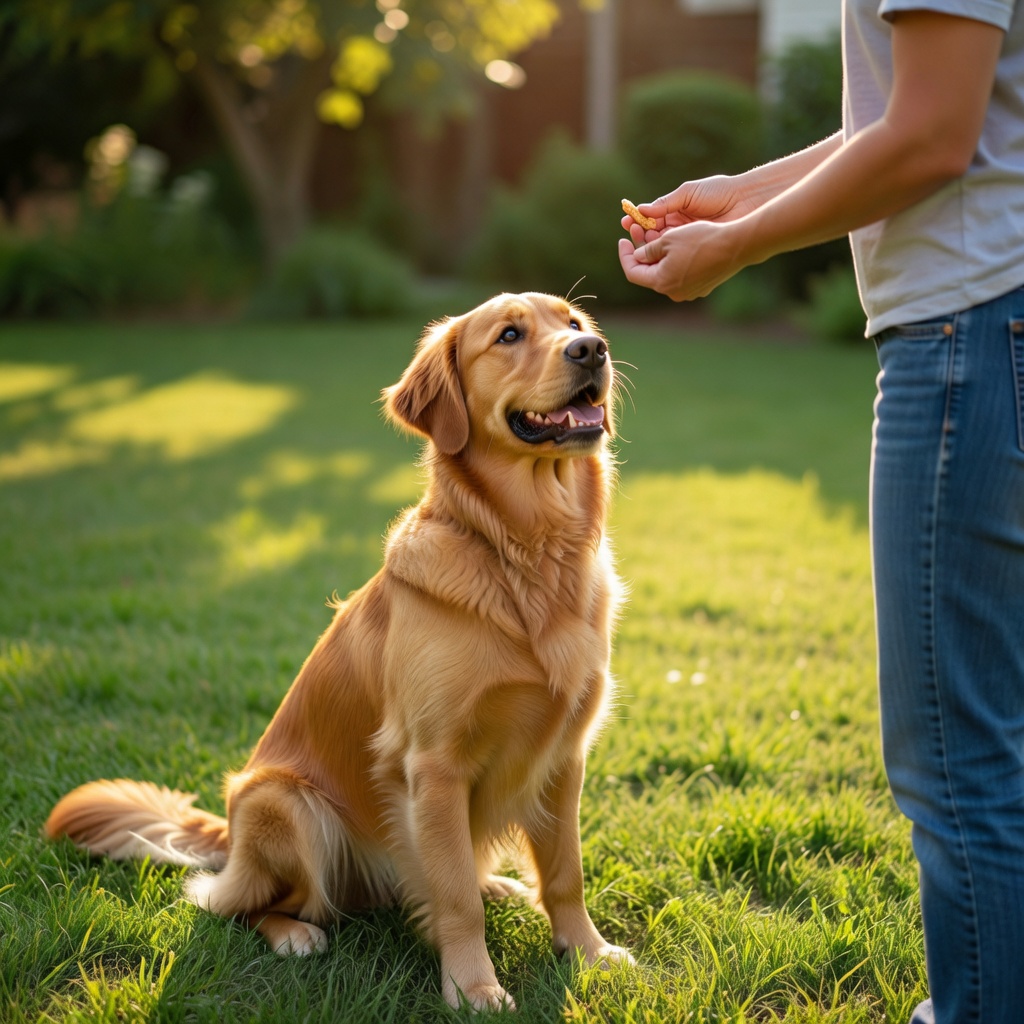
Hold a treat just above your dog's nose, moving it back over their head. As their bottom naturally drops, say "Sit" and reward with the treat plus verbal praise like "Good sit!" Practice in short bursts—five reps, then playtime.
2. Stay: Building Impulse Control
- Lure into a sit, then say "Stay" with an open palm signal.
- Take one step back; if they hold, return and reward lavishly.
- Gradually increase distance and duration, fading the lure.
Pro tip: End on success to keep sessions upbeat.
3. Come: The Lifesaver Recall
In a distraction-free zone, crouch low, pat your thighs, and cheerfully call their name + "Come!" When they dash over, shower them with treats and cuddles. Never call for punishment—always make coming to you the highlight of their day.
4. Down and Leave It: Everyday Essentials
- Down: From sit, lure the treat to the floor between paws, then back. Reward the flop.
- Leave It: Place a low-value item down, cover with your foot if needed, reward for looking away.
Consistency is your superpower. Train daily for 5-10 minutes, using high-value rewards like chicken bits for tough ones.
Puppy Training Tips: Starting Sweet and Strong
Puppy training tips emphasize fun over perfection. At 8-12 weeks, their brains are wired for learning, but attention spans are goldfish-short. Keep it game-like: use toys as rewards, end before boredom hits.
Patience turns puppy chaos into polished poise—one joyful click at a time.
Crate Training with Positivity
Toss treats inside the crate, naming it happily. Feed meals there. Puppies associate it with paradise, not prison.
Housebreaking Harmony
- Take out every 1-2 hours, after meals, play, naps.
- Praise and treat outdoor success wildly.
- Clean accidents enzymatically—no scolding.
Puppies aren't failing you; they're learning. Celebrate every step.
The Art of Timing Rewards in Positive Reinforcement
Timing is everything—like catching a wave just right. Reward within one second of the behavior, or your dog connects the dots wrong. Use a clicker for precision: click the instant they nail it, then treat. This bridge clarifies exactly what earned the jackpot.
Fade rewards gradually: 100% at first, then every other time, randomizing to build reliability. Your voice becomes the ultimate reinforcer— that excited "Yes!" hits deeper than kibble.
Tackling Stubborn Behaviors Kindly
Even the sweetest dogs have off days. Jumping? Turn away, reward four-on-the-floor. Pulling on leash? Stop dead until slack, then proceed with praise. Barking? Teach "Quiet" by rewarding silence.
- Ignore bad, reward good—starve the unwanted.
- Manage environment: baby gates for chewers.
- If frustration builds, consult a pro for tailored tweaks.
Stubbornness often masks confusion or unmet needs. Positive methods reveal the eager learner beneath.
Building a Bond with Your Dog Through Training
Building a bond with your dog elevates training from chore to cherished ritual. Eye contact during sits? That's trust. Playful recalls? Pure connection. Shared successes release oxytocin—the "love hormone"—in both of you.
Incorporate tricks like spin or high-five for laughs. Train during walks, mealtimes—make it life-integrated. At Golden Paw Retreat, our guests leave with tails (and hearts) fuller, proving that kind training weaves souls together.
Daily Rituals for Deeper Connection
- Hand-feeding kibble during commands.
- Joint sniffing walks post-training.
- Tummy rub rewards for calm downs.
Your Path to a Joyfully Trained Companion
Positive reinforcement dog training isn't a quick fix—it's a loving journey. With these kind dog training tools, you'll unlock your dog's potential while forging memories that outlast any command. Start small today: one sit, one treat, one wagging tail. Watch as obedience blossoms into unwavering loyalty. Your dog doesn't just learn tricks; they learn to love you more. Here's to tails in the air and bonds that endure—what command will you teach first?