
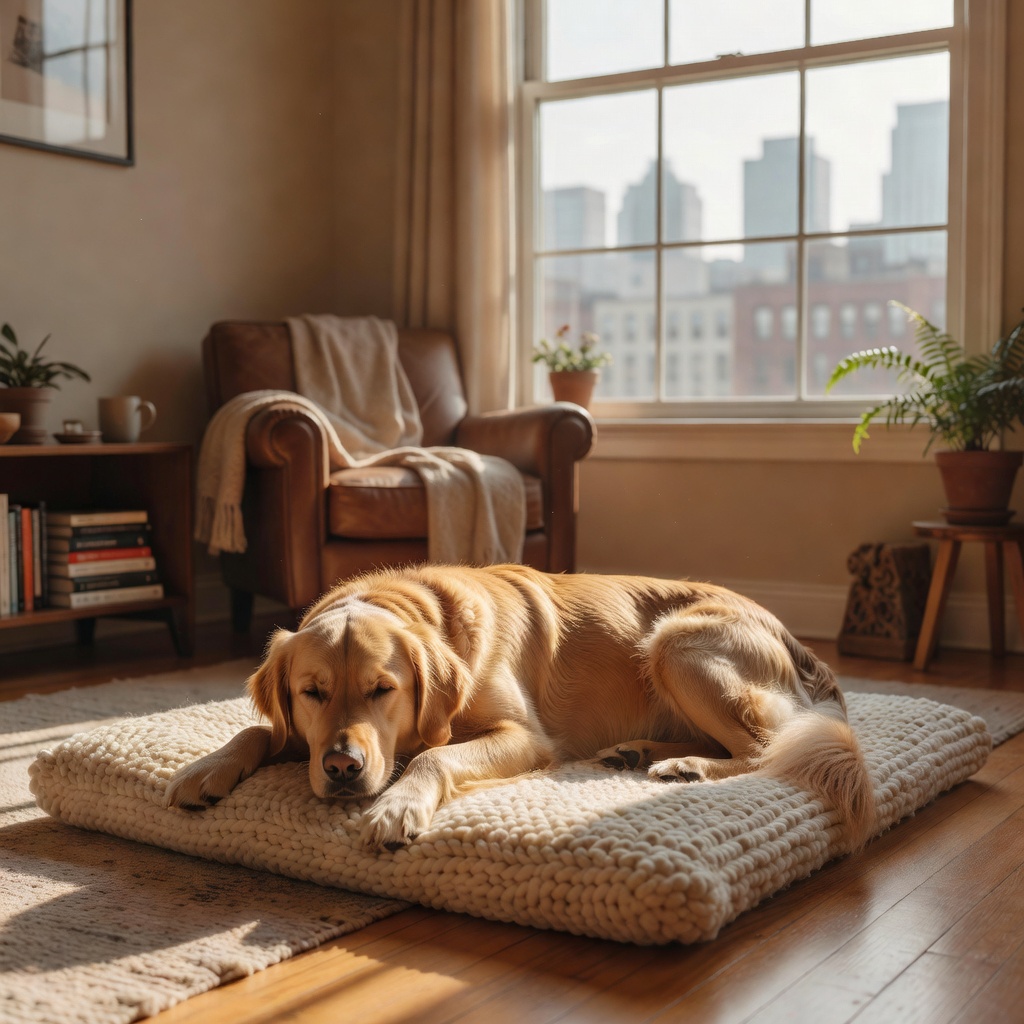
Apartment Dog Separation Anxiety: 10 Expert Tips to Help Your City Pup Thrive Alone (Even If You Work from Home)
Picture this: You step out for a quick coffee run, heart heavy with that familiar pang of guilt, only to return to a shredded throw pillow and a dog who won't meet your eyes. Sound familiar? If you're an urban dog owner in a cozy apartment—especially one who's been glued to your pup 24/7 since the pandemic—dog separation anxiety in apartments is more than a buzzword. It's the shredded baseboards, the non-stop whining that has your neighbors knocking, and that knot in your stomach every time you grab your keys.
You're not alone. Remote workers everywhere are facing work from home dog anxiety as life inches back to normal. Your city dog thrived on constant companionship in tight quarters, but now even short absences spark chaos. The good news? With science-backed strategies, you can teach your pup to thrive alone—guilt-free. These 10 expert tips for city dog separation anxiety are designed for apartment dwellers like you, blending practical training with urban realities.
Tip 1: Escape the Urban 'Proximity Trap'
City apartments are intimacy on steroids. Your dog can smell your breakfast from the bedroom, hear your every keystroke, and see you from any corner. This constant proximity wires them for 'always together,' making alone time a shock to the system. High-density living amplifies it—every anxious bark echoes through thin walls, stressing everyone.
Recognize this trap: Your pup isn't 'bad'; they're just hyper-attuned to your presence. Breaking it starts with understanding why dog destructive when left alone behaviors spike in small spaces—boredom builds fast when the world is four walls away.
Tip 2: Build Independence While You're Home
Don't wait for the door to close. How to help dog be alone begins in your living room. Introduce boundary training: Teach your pup to stay in their bed while you 'disappear' to the kitchen or bathroom. Use a cheerful "place" command and reward calm with treats.
Start short—10 seconds—then stretch it. This plants seeds of self-soothing, turning your apartment into a training ground. Soon, your city dog separation anxiety tips like this will make full departures feel natural.
Tip 3: Spot Anxiety vs. Boredom Destructive Behaviors
Not all chaos is panic. True separation anxiety shows in frantic signs: drooling, pacing, scratching at doors like they're escaping a fire. Boredom? That's selective shoe-chewing or couch surfing when unsupervised.
- Anxiety: Howling, trembling, loss of appetite post-departure.
- Boredom: Playful destruction, happy greetings upon return.
Pinpointing this guides your approach—anti-anxiety protocols for the real deal, enrichment for the rest.
Tip 4: Master the 'Graduated Departure' Protocol
Desensitize Cues First
Keys jingling? Coat on? Your dog bolts to the door. Neutralize these by picking up keys 20 times a day without leaving—pair with treats. Same for shoes, bags. Randomize to kill the panic trigger.
Micro-Departures Build Confidence
Step out for 5 seconds, return calm—no big reunions. Gradually add minutes: 10, 30, 1 minute. If regression hits, dial back. This gold-standard method rewires their brain for dog separation anxiety apartment success.
Tip 5: Apartment-Specific Hacks for Peaceful Alone Time
Noise is the neighbor's nightmare. Blast white noise machines or calming playlists to mask whines. Craft a 'safe space'—a cozy corner with their bed, not a crate that screams 'punishment.'
- Cover crate if used, add familiar blankets.
- Use pheromone diffusers for chill vibes.
- Blackout curtains reduce external triggers.
These tweaks make your space a sanctuary, minimizing city dog separation anxiety tips fallout.
Tip 6: Camera Monitoring Reveals the Truth
Guessing if training works? Stop. Affordable cams like Furbo let you watch body language live: Is tail tucked or wagging? Panting or relaxed? Adjust on the fly—speed up departures if calm, pause if stressed.
Data beats doubt. Track progress, celebrate wins, and refine for work from home dog anxiety mastery.
Tip 7: Forge a Predictable Healthy Routine
Dogs crave rhythm. Map a daily schedule: Morning walk, puzzle toy post-breakfast, nap during your Zoom calls. Alone time slots become 'normal,' not abandonment.
Consistency is your superpower—same cues, same rewards. Your pup learns: 'Owner leaves, good things happen.'
Tip 8: Pre-Departure Power Moves Checklist
Tired of trial-and-error? Here's your foolproof prep:
- Exercise blast: 30-min walk or fetch to tire them out.
- High-value distraction: Kong stuffed with peanut butter, frozen for hours of work.
- Calm exit: No fuss—leave quietly.
- Post-return zen: Ignore until settled, then reward.
Tip 9: Layer in Mental Enrichment
Physical exercise is step one; brain games seal it. Scatter kibble, hide treats, or rotate toys weekly. A busy mind forgets the door. Combat dog destructive when left alone with sniff mats and lick mats—apartment-friendly winners.
Tip 10: Your Next Step to a Confident City Pup
These tips transform chaos into calm, but mastery needs structure. Dive deeper with the City Dog Blueprint course—Module 5: Separation & Alone Time delivers step-by-step videos, customizable plans, and community support tailored for apartment life.
Imagine grabbing groceries without worry, your pup chilling like a pro. You've got this—start today, and watch your urban bond strengthen. Your neighbors (and sanity) will thank you.