
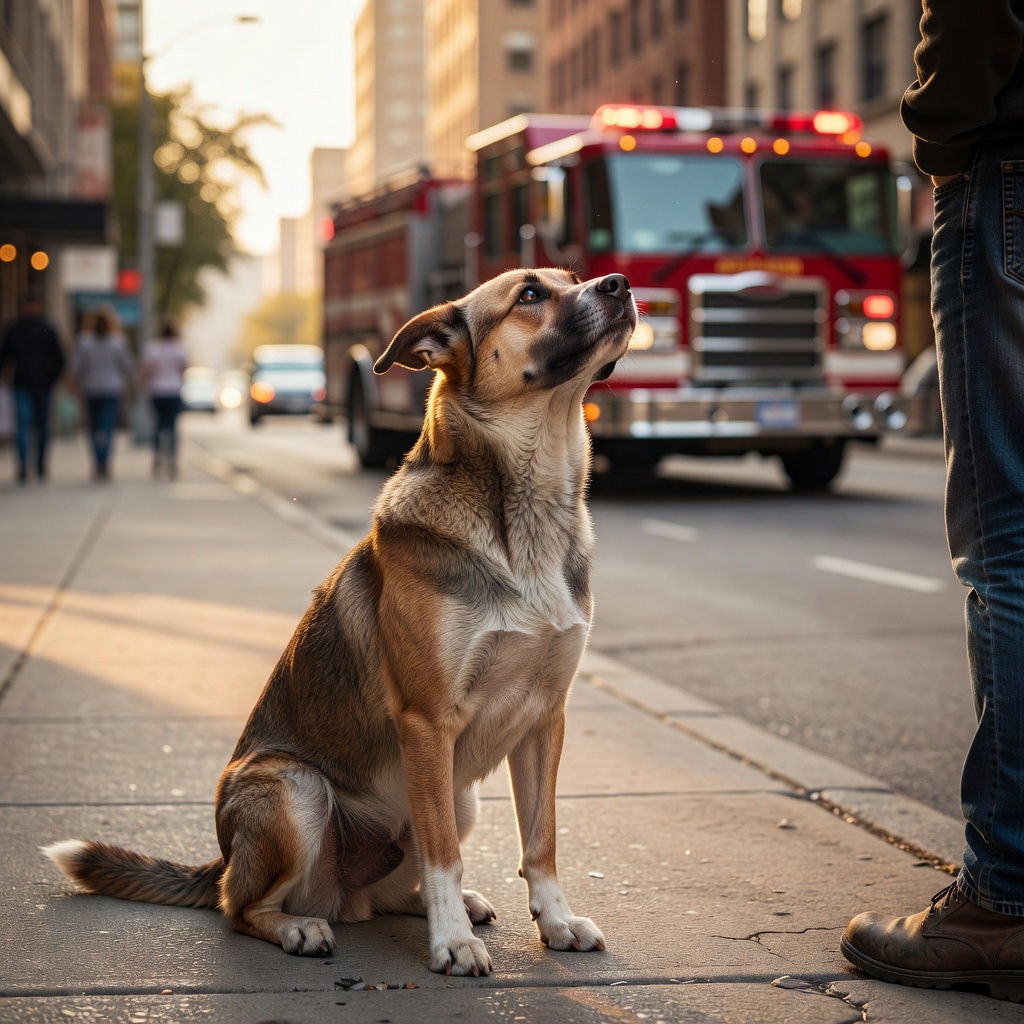
Dog Scared of Sirens? Countercondition Your City Pup's Noise Reactivity with Proven Training
The Urban Symphony That's Driving Your Dog Nuts
Picture this: You're strolling through the bustling city streets with your pup, coffee in hand, when suddenly—a piercing siren wails. Your dog freezes, ears pinned back, tail tucked, then erupts into a frenzy of barking and lunging. Sound familiar? If your city dog is scared of sirens or barking at everything from traffic rumbles to construction clangs, you're not alone. Urban dog owners everywhere feel that pang of overwhelm as their once-confident companions turn into noise-sensitive wrecks.
City life is a non-stop assault of sounds: ambulances blaring, jackhammers pounding, fireworks cracking on holidays. For reactive dogs, these aren't just background noises—they're threats. But here's the good news: you can help your reactive dog in the city with proven dog noise sensitivity training. This guide, drawn from Module 4 of the City Dog Blueprint, breaks it down step by step, blending science with real-world strategies tailored for apartment dwellers and sidewalk walkers.
Sensitization vs. Desensitization: Why Flooding Your Dog with Noise Backfires
Many well-meaning owners think, "Just expose them more, and they'll get used to it." But for a dog scared of sirens, repeated exposure without a plan often worsens the problem. This is sensitization: the more your pup pairs those loud noises with stress, the stronger the fear association grows. It's like repeatedly touching a hot stove—the burn intensifies each time.
Desensitization Done Right
True desensitization starts below your dog's stress threshold, gradually building tolerance. But on its own, it falls short for city dogs barking at everything. Enter counterconditioning—the game-changer that rewires fear into fun.
Counterconditioning Dog to Loud Noises: Turn Sirens into Chicken Parties
Counterconditioning flips the script. The goal? Make scary sounds predict something amazing, like high-value treats. Siren = chicken. Boom = jackpot of peanut butter. Over time, your dog's brain shifts: "That wail means dinner's coming!"
How It Works: The Science in Simple Terms
rooted in classical conditioning (think Pavlov's dogs, but for urban survival). When a noise trigger appears at a safe distance, you immediately deliver rewards before the reaction kicks in. Repeat consistently, and the emotional response changes from panic to anticipation.
- Identify triggers: Sirens, horns, drills.
- Start far away: Volume at 20-30% of threshold.
- Pair precisely: Noise starts → treat rains down.
- Build proximity: Gradually close the gap as calm prevails.
Pro tip: Use the best stuff—real chicken, cheese, or squeeze cheese for speed. Sessions last 5-10 minutes, multiple times daily. Patience pays off; many city pups show progress in weeks.
Master Threshold Management: Stay Out of the Red Zone
Every dog has a threshold—the point where stress overrides reason. Too close to a siren? You're in the red zone: barking, shaking, shutdown. Counterconditioning dog to loud noises only works below threshold (yellow or green zones).
- Observe body language: Yawning, lip-licking, stiffening? Back up.
- Use distance as your ally: Cross streets, detour blocks ahead.
- Track progress: Note distances where calm holds—celebrate wins!
In high-traffic areas, leash management and U-turns keep sessions successful. Your overwhelmed city dog will thank you with wagging tails instead of tucked ones.
Pattern Games: 'Look At That' for Reactive City Dogs
Grisha Stewart's Look At That (LAT) game builds on counterconditioning. Teach your dog to glance at the trigger (siren truck), then back to you for rewards. It interrupts reactivity proactively.
Step-by-Step LAT Protocol
- Cue "Look!" as noise starts.
- Mark ("Yes!") + treat when eyes return.
- Fade cue: Dog offers looks independently.
- Level up: Closer distances, multiple triggers.
This pattern game turns passive suffering into active engagement, perfect for how to help a reactive dog in the city.
Fireworks, Thunder, and Surprises: Emergency Protocols
Sudden blasts like fireworks catch even trained dogs off-guard. Prep with these:
- Soundproof safe space: Crate in bathroom with white noise machine.
- Pre-load treats: Stuffed Kongs ready for boom-time.
- Calming aids: Adapters, pheromone collars (vet-approved).
- Practice drills: Play low-volume recordings daily, countercondition ahead.
"When the first firework popped, my pup dove under the bed. Now, he perks up for his 'boom treat.'" —Real progress from dedicated owners.
5 Quick-Win Tips for Dog Noise Sensitivity Training Today
No time for full sessions? Start here:
- Play siren YouTube videos at low volume during meals—free counterconditioning.
- Carry squeeze cheese for on-the-go rewards.
- Teach a "focus" cue indoors first, deploy outdoors.
- Schedule walks during quieter hours (dawn/dusk).
- Journal reactions: Spot patterns, measure improvement.
Reclaim Your City Adventures: Join the City Dog Blueprint
Noise reactivity doesn't have to steal your joy. With counterconditioning, threshold savvy, and pattern games, your city dog barking at everything becomes a confident urban explorer. This is just Module 4—imagine the full transformation.
Ready to master City Dog Blueprint? Enroll today at goldenpawretreat.com/city-dog-blueprint and turn city chaos into calm companionship. Your pup's tail-wags await.